As solar energy becomes popular across the globe, many people are investing in solar panels to reduce electricity bills and minimise their carbon footprint. However, one key aspect often overlooked during the installation process is the solar panel warranty. In this blog, we will discover what solar panel warranties typically cover, why we need that, and what consumers should take into consideration before making a solar investment.
A solar panel warranty homeowners can depend on is a manufacturer or installer’s written guarantee that the system will perform as expected for a specific period. It provides peace of mind and financial protection if the panels or components fail or do not perform as expected.
Solar panel systems represent an important long-term investment, often lasting 25 years or more. Warranties ensure that if something goes wrong within the period covered in that, the cost of repair or replacement is not a burden on the homeowner. For UK homeowners, this protection is particularly valuable due to the varying weather conditions and general wear and tear over time.
There are typically three main types of warranties associated with solar panel systems in the UK:
This type of solar panel warranty homeowners receive covers defects in materials or workmanship of the solar panels themselves. It guarantees that the product will be free from manufacturing faults for a defined period.
Also referred to as a power output warranty, this ensures that the panels will produce a minimum level of electricity over time. As panels naturally lose efficiency, a performance warranty guarantees they do not degrade faster than a set rate. This solar performance guarantee helps maintain system effectiveness.
Some installers provide a separate warranty for installation work they perform. This protects against faults caused by poor workmanship, such as water ingress or faulty wiring. It is often referred to as a solar installation warranty.
When evaluating solar panel warranties, UK homeowners should become familiar with these important terms:
Typical durations for a solar panel warranty in the UK include:
Covered items often include:
Exclusions may include:
Carefully review the warranty terms. Make sure you understand what is covered, what is excluded, and the homeowner’s responsibilities for maintaining coverage.
Always compare the warranties offered by different suppliers. A less expensive system might come with less comprehensive protection.
Confirm that your installer includes a workmanship warranty. A good install is critical for long-term reliability, and understanding this helps clarify the overall solar warranty explained to you.
Choose well-known brands with proven customer service. If a manufacturer goes out of business, even a strong warranty may be worthless.
Know how to file a warranty claim, including what documentation is needed and how long it typically takes to process. Learn exactly what a solar warranty covers to avoid surprises later.
Yes, other components of a solar power system come with separate warranties:
These warranties are crucial to consider when assessing the full cost and protection of your solar investment.
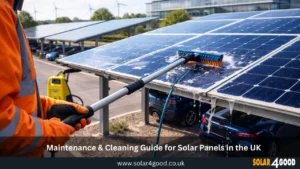
Many warranties require routine maintenance to remain valid. UK homeowners should retain maintenance logs and follow care instructions. Failing to meet these requirements can void the warranty. Staying compliant with solar maintenance and warranty guidelines ensures long-term protection.
A transferable warranty adds value when selling your property. Confirm whether your solar energy system guarantees can be passed on to new owners and what documentation is needed.
Installing solar panels is an effective way to reduce energy costs and support the environment. But understanding your solar panel warranty is just as important. Consumers should take time to review documentation, ask providers the right questions, and make informed decisions. A reliable solar panel warranty homeowners can trust provides lasting peace of mind and ensures your system delivers returns for years to come.
Need help understanding your solar panel warranty or choosing the right system? Contact our expert team today for personalized guidance and support.
Stay informed. Stay protected. Go solar with confidence.
1. What does a solar panel warranty cover?
A solar panel warranty typically covers defects in materials or workmanship and ensures your panels will perform reliably over time. It’s designed to give you peace of mind that your system will work as expected.
2. What’s the difference between a product warranty and a performance warranty?
A product warranty protects you if there’s something wrong with the panel itself, like a manufacturing defect. A performance warranty ensures that your panels will continue producing electricity at a certain level over the years.
3. If something goes wrong, who do I contact?
You should contact your solar installer. They will help you assess the issue and guide you through the warranty claim process, if needed.
4. Do I have to pay anything if a panel fails?
If the issue is covered under warranty, the panel will be repaired or replaced. Some additional costs, like labor or transport, may not always be included, so it’s good to check with your installer.
5. Does the warranty cover damage from weather or accidents?
Most warranties don’t cover damage caused by external factors like extreme weather, falling branches, or accidents. Those are usually handled by your home insurance.
6. What happens if the company that installed my panels goes out of business?
Even if the installer is no longer around, the panel manufacturer’s warranty may still apply. It’s important to choose reliable companies with a strong track record.
7. Can I transfer the warranty if I sell my home?
In many cases, warranties can be transferred to the new homeowner. This can be a selling point if you ever decide to move.
8. What might void my warranty?
Warranties may be voided if the system is tampered with, damaged through misuse, or not installed by a qualified professional. Always follow the recommended guidelines and use certified technicians.
9. Is regular maintenance required for the warranty to stay valid?
While most warranties don’t require ongoing maintenance, keeping your system clean and in good condition helps ensure long-term performance and may support any future claims.
10. Are other parts of the system, like batteries or inverters, covered by the same warranty?
Usually, components like batteries and inverters come with their own separate warranties. These should be reviewed separately from the solar panel warranty.