Solar energy is a long-term investment, but like any technology, solar panels degrade over time. Understanding solar panel degradation in the UK is essential for homeowners and businesses looking to maximize efficiency and return on investment. While modern solar panels are designed to last 25-30 years, their performance gradually declines due to environmental and material factors.
In this guide, we’ll explore what causes solar panel degradation, how it affects efficiency, the degradation rate in UK climates, and how to extend the lifespan of your solar panels.
Solar panel degradation refers to the gradual decline in efficiency and energy output over time. This occurs due to natural wear and external factors, but modern solar technology has improved significantly, reducing the degradation rate.
Light-Induced Degradation (LID):
Occurs when panels are first exposed to sunlight.
Caused by defects in silicon wafers, leading to a 1-3% efficiency loss in the first few months.
Potential-Induced Degradation (PID):
Happens when electrical imbalances create voltage leaks.
Reduces output significantly but can be minimized with proper grounding.
Thermal Cycling & Weathering:
UK’s fluctuating temperatures cause expansion and contraction of materials.
Over time, this weakens panel connections and reduces output.
UV Radiation Exposure:
Prolonged exposure to sunlight gradually degrades the panel’s materials.
Microcracks & Physical Damage:
Small cracks in solar cells from hail, strong winds, or heavy snow.
Leads to lower conductivity and reduced energy production.
The average degradation rate of solar panels is 0.3% to 0.8% per year, meaning that after 25 years, most solar panels still operate at 80-90% efficiency. However, various factors influence degradation rates in the UK:
Climate Conditions:
The UK’s moderate temperatures reduce thermal stress, leading to slower degradation compared to hotter climates.
Frequent cloud cover reduces UV exposure, slightly extending panel life.
Maintenance & Cleaning:
Dust, bird droppings, and algae can block sunlight, accelerating efficiency loss.
Regular cleaning and maintenance prevent unnecessary degradation.
Panel Quality & Manufacturing:
High-quality monocrystalline panels degrade slower than polycrystalline panels.
Panels with better anti-reflective coatings and high-efficiency materials last longer.
Installation Practices:
Proper installation minimizes stress on the panel frame and wiring, reducing the risk of PID and microcracks.
While solar panels naturally degrade over time, there are several ways to prolong their efficiency and performance.
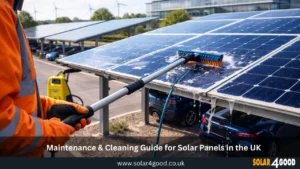
Remove dust, dirt, and bird droppings to maintain peak efficiency.
Check for cracks, loose wiring, and debris buildup every 6-12 months.
Have a solar technician inspect your system every 1-2 years.
Identify and repair potential PID or wiring issues before they worsen.
Premium solar panels degrade at a lower rate and retain efficiency longer.
Look for panels with a strong manufacturer warranty (25+ years).
Ensure secure mounting to prevent movement and stress on the panels.
Avoid placing panels near trees or structures that could create shading or damage from falling debris.
Solar batteries store excess energy, reducing pressure on the system.
Helps improve overall efficiency by minimizing grid reliance.
Even after 25+ years, panels still generate 80-90% efficiency.
The decline is gradual, meaning homeowners continue to save on energy bills.
Most solar panels come with a 25-year performance warranty.
Guarantees at least 80% efficiency after 25 years, ensuring longevity.
Smart Export Guarantee (SEG): Earn money by selling excess solar energy back to the grid.
Zero VAT on solar installations: Reduces upfront costs for new solar panel systems.
Grants & subsidies available in some regions.
New perovskite solar cells have shown slower degradation rates.
Hybrid materials improve efficiency and extend panel lifespan beyond 30 years.
Research into nanotechnology coatings that repair minor cracks and damage.
Could extend panel efficiency significantly.
AI-based monitoring detects early signs of degradation and optimizes panel performance.
Automated cleaning systems prevent dirt buildup, reducing maintenance needs.
Understanding solar panel degradation in the UK is essential for maximizing long-term energy savings. While panels naturally degrade over time, proper maintenance, high-quality panels, and strategic installation can significantly prolong efficiency and performance.
Despite a gradual efficiency decline of 0.3%-0.8% per year, solar panels remain a smart investment for UK homeowners, offering sustainable energy savings and financial benefits for decades.
Ensure the longevity of your solar investment. Contact Solar4Good for expert advice on maintaining and optimizing your solar panels!
Most solar panels last 25-30 years, with efficiency gradually decreasing by 0.3%-0.8% per year.
Common causes include UV exposure, weathering, light-induced degradation, potential-induced degradation (PID), and microcracks.
Yes. Regular maintenance, cleaning, professional inspections, and using high-quality panels can help slow degradation.
UK’s moderate climate reduces temperature-related stress, leading to slower degradation compared to hotter regions.
Yes, most panels retain 80-90% efficiency after 25 years, depending on quality and maintenance.
LID occurs when solar panels experience a 1-3% efficiency drop within the first few months of exposure to sunlight.
Ideally, every 6-12 months, especially in areas with high dust, bird droppings, or algae growth.
Yes, microcracks reduce conductivity, leading to lower energy production over time.
Yes, routine technical inspections and timely repairs can help prevent further efficiency loss.
Most manufacturers offer 25-year performance warranties, ensuring at least 80% efficiency after 25 years.