Solar Panel Installations |
Case Studies

Summary
In summary, the collaboration between Gatwick White House Hotel and Solar4Good showcases the potential of solar solutions to drive cost savings,
support business growth, and promote sustainability within the hospitality sector.
Client Overview
Gatwick White House Hotel is a highly-rated 2-star property providing comfortable accommodation for leisure and business travelers, as well as passengers needing proximity to Gatwick Airport.
Solar4Good Results
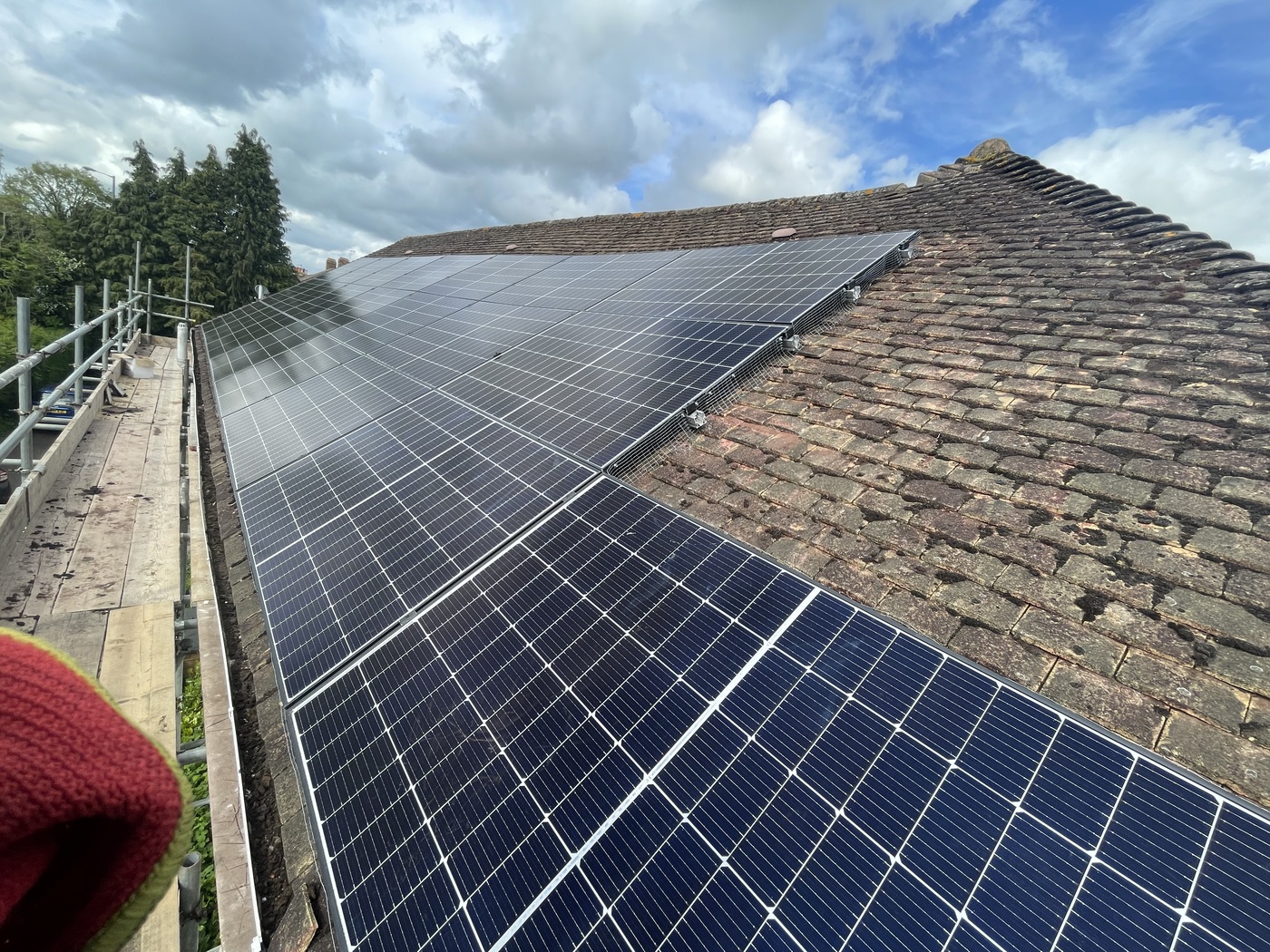
To address their significant electricity expenses, Solar4Good proposed an 18kWh solar system for the Gatwick White House Hotel. This solution aimed to reduce operational costs while ensuring excellent facilities for guests.
Cost Savings:
Gatwick White House Hotel experienced a substantial reduction in their electricity bill, decreasing from £62,800 to approximately £22,608 annually.
Business Growth:
With savings on operational expenses, the hotel could invest in improving guest experiences, enhancing amenities, and
expanding their customer base.
Sustainability Focus:
By adopting solar energy, the Gatwick White House Hotel demonstrated a commitment to environmental responsibility, appealing to eco-conscious travelers and aligning with sustainability trends in the hospitality industry.
We wanted to reduce our electricity bills and do our part for the environment. Solar was the perfect solution.
Energy prices are rising, and we didn’t want to delay any longer. The sooner we start, the sooner we save!
recommended
18 Kwh
44 410 Watts
£40,192 Annually
64% After installation
1,000+ verified reviews across leading platforms
We deliver innovative, affordable energy solutions — installed quickly and supported by exceptional customer care.
We deliver honest guidance, design clear and efficient systems, and install solar panels engineered for reliability, safety, and long-term flexibility.
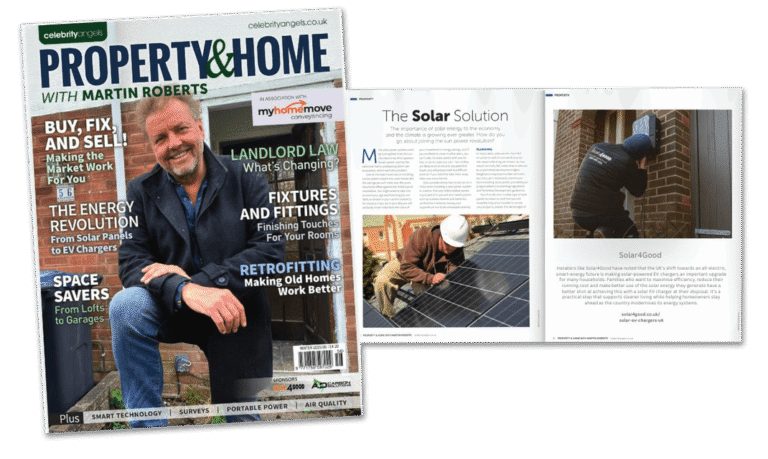
British television presenter, property expert, author, investor and radio host best known for presenting the BBC property auction show Homes Under the Hammer.
Have a question? Don’t hesitate to reach out. We’re available by phone or in person to support you whenever you need.
A commercial solar system is a solar power installation designed for businesses, organizations, or commercial properties to generate electricity from sunlight. It typically involves a larger-scale setup compared to residential systems.
Cost savings: Solar energy can significantly reduce electricity costs for businesses, leading to long-term savings.
Environmental sustainability: By using solar power, businesses can reduce their carbon footprint and demonstrate their commitment to sustainable practices.
The cost of a commercial solar system varies depending on factors such as system size, location, energy consumption, equipment quality, and installation requirements. It is advisable to consult with solar providers and obtain quotes tailored to your business’s specific needs.
In many cases, a commercial solar system can offset a significant portion of a business’s energy consumption. However, the system size needs to be carefully planned based on energy demand and available roof or ground space. Some businesses may combine solar power with other energy sources for full coverage.
Yes, there are various financing options available for commercial solar installations. These may include solar loans, power purchase agreements (PPAs), solar leases, and energy performance contracts (EPCs). Each option has its own advantages and considerations, so it’s recommended to consult with financial institutions and solar providers to determine the best fit for your business.
The installation time for a commercial solar system depends on the project’s complexity, size, and any necessary permits or approvals. It can range from several weeks to a few months.
Commercial solar systems typically require minimal maintenance. Regular inspections, cleaning of solar panels, monitoring of performance, and ensuring proper functioning of inverters are essential. Some solar providers offer maintenance packages and monitoring services to optimize system performance and address any issues promptly.
Yes, commercial solar systems can be combined with energy storage solutions, such as batteries. Energy storage allows businesses to store excess solar power for use during periods of low solar generation or during grid outages, providing increased energy independence and flexibility.
The permits and approvals required for a commercial solar system installation vary depending on local regulations, building codes, and utility requirements. These may include obtaining building permits, interconnection agreements, and inspections. It is advisable to consult with solar providers and local authorities to ensure compliance with all necessary requirements.
Net metering or feed-in tariff programs may allow businesses to sell excess electricity generated by their commercial solar systems back to the grid. The availability and terms of such programs depend on the specific location and utility policies.
Consulting with experienced solar providers and energy consultants is crucial for accurate information, system design, and customized solutions for commercial solar installations.