How Solar Panel Maintenance helps
cut Energy Bills.
Bhavna S4G, Solar Expert
Last Updated 3 months ago
Trending
Popular
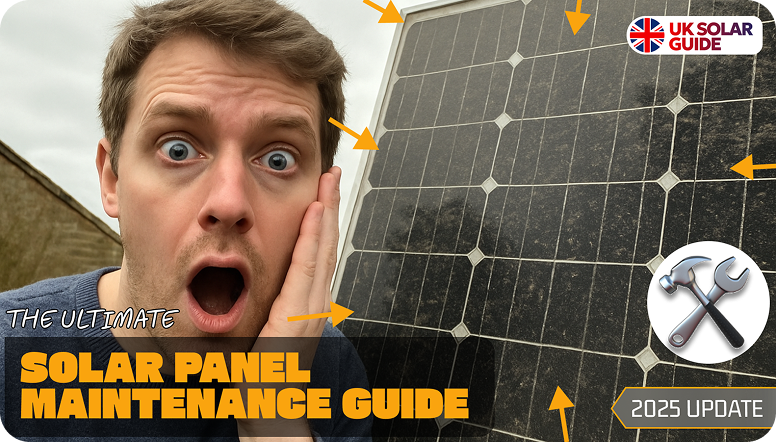
Are your solar panels quietly underperforming?What if a thin layer of dust is costing you more than you think? Could unseen wear or unnoticed wiring faults be quietly cutting into your energy savings?
While most solar systems are low-maintenance, they’re not entirely self-sufficient. Even the most efficient panels can begin to underperform if basic upkeep is ignored. Dust, bird droppings, loose wiring, or worn-out components may not cause immediate system failure, but they can gradually chip away at your output without you noticing.
Left unchecked, these small issues can build up over time—reducing overall energy production, shortening the expected lifespan of your equipment, and slowly driving up your energy bills. Regular maintenance helps catch these problems early, keeping your system efficient, reliable, and ready to deliver long-term value.
PS We offer MCS-certified solar panel installation nationwide. Simply answer these questions, get your fixed price and arrange your free design.
Summary
Even minor maintenance can make a big difference to your solar panel system’s performance. This article outlines how routine cleaning, inspections, and system monitoring can prevent energy loss, extend lifespan, and protect long-term value. Whether your panels are newly installed or several years old, the right upkeep helps you get the most from your investment.
Understand how dirt and wear reduce energy output over time
Learn simple maintenance steps to keep your system efficient
Discover how monitoring tools help catch issues early
Why Solar Panel Maintenance Matters
Your solar system is exposed to the elements every day—wind, rain, pollution, bird droppings, and temperature swings. While panels are built to last, this constant exposure can reduce their effectiveness unless you take steps to keep them clean and functioning properly.
Even minimal surface build-up can prevent sunlight from reaching the photovoltaic cells, limiting your system’s output. That’s why cleaning, inspections, and system monitoring are not just helpful—they’re essential.
How Maintenance Affects Lifespan and Efficiency
All solar panels experience a slow, natural degradation of about 0.5–1% per year. However, when neglected, systems can degrade much faster—especially if dirt and electrical issues go unnoticed.
Key impacts of regular maintenance:
Maintain up to 21% higher energy output
Slow down
Panel
Degradation
Reduce chances of system shutdown or inverter failure
Extend lifespan to 25-30 years or more
💡 Quick tip:
Simple inspections also help identify minor issues—like loose connections or moisture build-up—before they lead to major repairs.
Common problems from neglect
When solar maintenance is skipped, the system’s performance can suffer in several hidden ways:
Surface soiling: Dust, tree sap, and bird droppings reduce light intake.
Hotspots: Uneven heating from debris can damage panel cells .
Wiring issues: Corrosion or loosened connections create safety risks.
Mounting stress: Loose brackets or weather damage can cause panel angles to shift.
Inverter errors: Often the first point of failure, if not checked periodically.
Quick takeaway:
Solar systems may look fine from the ground—but a clean, well-checked system works smarter, lasts longer, and saves more. Biannual maintenance can make a noticeable difference in both performance and reliability.
Cleaning Your Panels: Tools, Timing & Best Practices
How often should you clean? ( Timing )
Standard UK homes: 1–2 times annually .
Dusty, tree-heavy, or agricultural areas: Every 3–4 months.
Following pollen or dry seasons: At the start of summer and the end of autumn.
What to use (Tools)
Soft brush or squeegee with extension pole.
Gentle, non-abrasive soap if needed.
Microfibre cloths.
Low-pressure water hose (never power washers)
DIY vs. Professional (Best Practices)
Type
Best for
Advantages
DIY
Ground mounted
or low panels
Saves cost if
done carefully
Professional
Roof or complex
systems
Safer, faster, and
more thorough
What to Inspect in a Solar System
Routine inspections are just as important as cleaning. They help pervent faults and extend component life
Checkpoints Includes:
Monitoring Tools: Your Eyes on Performance
Today’s solar systems come with app-based tools that help you track performance in real time. These systems can alert you to underperformance long before it becomes visible.
Why monitoring matters:
Compare
current vs expected energy output
Spot signs of dirt, shading or component failure
Receive alerts for inverter or battery errors
Understand Seasonal trends and usage behaviour
Maximising Energy Through Consistent Care
When your solar system runs efficiently, every kilowatt-hour counts—and so do the savings. But efficiency isn’t automatic. It’s earned through a few simple habits done consistently over the year.
Maintenance Checklist 📋
Clean panels every 6–12 months
Do visual checks after storms or long dry spells
Monitor performance monthly via your app
Schedule professional servicing every 2–3 years
Keep logs of any repairs or system alerts
Bottom line:
Solar works best when it’s looked after. A well-maintained system generates more power, lasts longer, and gives you a stronger return on your investment—both financially and environmentally.
A Clearer Path to Clean Energy
Taking care of your solar system doesn’t need to be complicated. A simple routine—just like servicing your boiler or checking your tyres—helps your panels perform consistently over the years.
Think of maintenance not as an extra expense, but as a small quiet investment to save you in the long run. A few hours’ work and spending a couple of hundred pounds each year could translate into thousands of extra kilowatt-hours generated over your system’s lifetime.
What’s Next ?
Now that you understand how solar panel maintenance impacts performance, efficiency, and long-term reliability, you may want to explore related topics that help you maximise the value of your system. These guides offer practical insights tailored for UK homeowners at every stage of their solar journey:
Think of maintenance not as an extra expense, but as a small quiet investment to save you in the long run. A few hours’ work and spending a couple of hundred pounds each year could translate into thousands of extra kilowatt-hours generated over your system’s lifetime.
- Solar PV Maintenance Checklist for UK Homeowners (Monthly, Quarterly, Yearly)
- Understanding Solar Panel Degradation and Longevity in the UK
Frequently Asked Questions
Do solar panels still work when it's cloudy?
Once or twice per year is sufficient for most homes. If you’re near trees, birds, or construction sites, more frequent cleaning may help.
Can I do the cleaning myself?
Yes, as long as the panels are safely accessible and you use soft, non-abrasive tools. If on a roof, it’s better to call in a professional.
How do I know if my system needs attention?
Keep an eye on your monitoring app for any drops in output. Physical clues include dirt build-up or a change in your inverter’s light colour.
Besides cleaning, what else should I do?
Check your inverter, wiring, and mounting brackets once a year. Schedule a professional inspection every few years for full confidence.